


Essential Lessons Every Beginner Photographer Should Know
Starting photography can feel overwhelming. The camera settings, gear choices, and techniques all seem like a mountain to climb. Yet, many lessons I learned only after years behind the lens could have made my early journey smoother and more enjoyable. This post shares those essential lessons to help beginner photographers avoid common pitfalls and build a strong foundation.
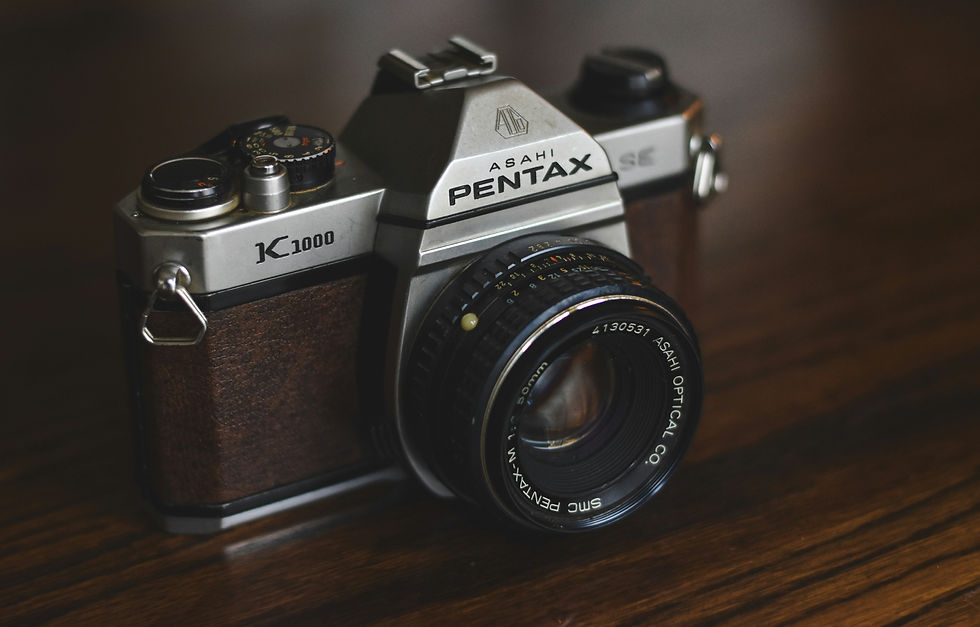
Setting up your camera properly for natural light photography can transform your images.
Understand Your Camera Before Anything Else
Many beginners rush to buy expensive gear or jump into shooting without fully understanding their camera. The first step is to learn your camera’s basic functions:
How to adjust aperture, shutter speed, and ISO (Print a cheat sheet!)
What each mode (manual, aperture priority, shutter priority) does
How to focus manually and automatically
How to review and delete photos on your camera
Spending time with your camera manual and experimenting with settings in different lighting conditions builds confidence. For example, practicing aperture priority mode outdoors helps you see how depth of field changes your photos.
Invest in a Good Lens Instead of More Gear
It’s tempting to buy multiple lenses and accessories early on. Instead, focus on getting one versatile, quality lens that suits your style. For most beginners, a 50mm prime lens or an 24-70mm kit lens covers a wide range of situations.
A sharp lens with a wide aperture (like f/1.8) allows you to shoot in low light and create beautiful background blur. This investment improves your images more than upgrading your camera body or buying many gadgets.
Learn the Basics of Composition
Great photos are not just about technical settings. Composition guides the viewer’s eye and creates impact. Some beginner-friendly composition tips include:
Use the rule of thirds by placing your subject off-center
Look for leading lines like roads or fences to draw attention
Frame your subject with natural elements such as trees or windows
Pay attention to background clutter and simplify your scene
Try shooting the same subject from different angles and distances to see how composition changes the story your photo tells.
Master Natural Light Before Using Flash
Natural light is the most accessible and flattering light source. Beginners often struggle with harsh midday sun or dim indoor lighting. Learning how to use natural light effectively is crucial:
Shoot during golden hour (early morning or late afternoon) for warm, soft light
Use shade to avoid harsh shadows on faces
Position your subject with the light source behind or to the side for depth
Reflect light with a white surface or reflector to fill shadows
Once comfortable with natural light, you can explore flash and artificial lighting with more confidence.
Practice Manual Mode to Gain Control
Auto modes are helpful but limit creative control. Manual mode lets you decide how each setting affects your image. It may feel intimidating at first, but practicing manual mode teaches you how aperture, shutter speed, and ISO work together.
For example, to freeze motion, use a fast shutter speed like 1/1000 sec. To blur movement, slow it down to 1/30 sec. Adjust aperture to control depth of field and ISO to maintain proper exposure. Over time, this knowledge lets you capture exactly what you envision.
Don’t Rely on Post-Processing to Fix Everything
Editing software is powerful, but it can’t replace good photography fundamentals. Beginners often over-edit images to compensate for poor exposure or composition. Focus first on capturing the best possible photo in-camera.
Learn basic editing skills like cropping, adjusting exposure, and color correction. Avoid heavy filters or excessive retouching. A well-shot photo requires minimal editing and looks more natural.
Develop a Consistent Shooting Habit
Photography improves with practice. Set a goal to shoot regularly, whether daily or weekly. Challenge yourself with different subjects and lighting conditions.
For example, dedicate one day to street photography, another to nature, and another to portraits. Review your photos critically and note what worked or didn’t. This habit builds your eye and technical skills faster than occasional shooting.
Backup Your Photos Immediately
Losing photos due to memory card failure or accidental deletion is heartbreaking. Always back up your images in two places:
Transfer photos to your computer or external hard drive after each shoot
Use cloud storage services for an additional copy
Organize your files with clear folder names and dates. This practice protects your work and makes it easier to find images later.
Join a Photography Community
Learning alone can be slow and frustrating. Joining a local or online photography group provides feedback, inspiration, and motivation. You can:
Share your photos and get constructive critiques
Participate in photo challenges or outings
Learn from others’ experiences and tips
Communities help you stay engaged and improve faster.
Be Patient and Enjoy the Process
Photography is a journey, not a race. Early photos may not meet your expectations, but every shot teaches you something. Celebrate small improvements and stay curious.
Remember, the best camera is the one you have with you. Focus on seeing the world differently and telling stories through your images.

Comments